





 Like Us on Facebook to enjoy 5% discount
Broken Key Extractor Guide: How to Choose and Use the Right Extractor Tool
2026-01-06 14:08
A broken key stuck in a lock can instantly halt your day. While the immediate solution might seem to Buy Broken Key Extractor, choosing the right tool is crucial to avoid damaging the lock. This guide will walk you through the types of extractors, how to select the correct one, and the safe steps for removal.
What are the Different Types of Broken Key Extractor Tools Available?
1.Manual Hook and Probe Extractors
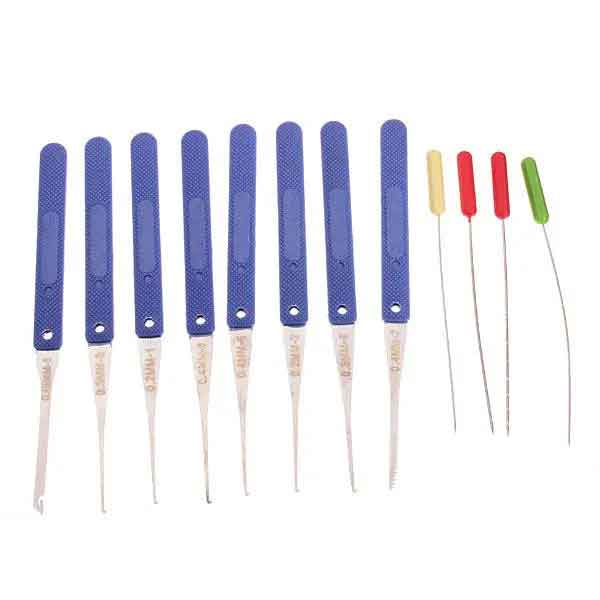
These are the most basic and common tools, typically sold in sets with thin, hooked ends of varying sizes. They are designed to slide down the side of the broken key shank, hook onto its edge, and pull it straight out. They work best when a portion of the key is still protruding from the lock or if the break is shallow. Their effectiveness depends heavily on the user's precision and having a small enough hook to fit alongside the key.
2.Spiral (Screw) Extractors
Spiral extractors resemble small, left-handed drill bits with sharp, tapered threads. The tool is inserted into a pre-drilled pilot hole in the broken key fragment. As you turn it counterclockwise, the threads bite into the key metal, allowing you to screw and pull the fragment out simultaneously. This type is more aggressive and is used for keys broken flush with or inside the lock cylinder, but it requires careful handling to avoid scratching the lock's internal pins.
3.Combined Extraction Kits
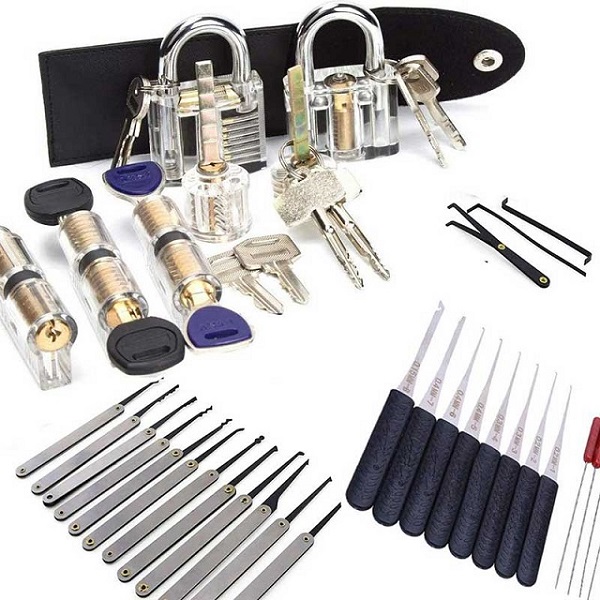
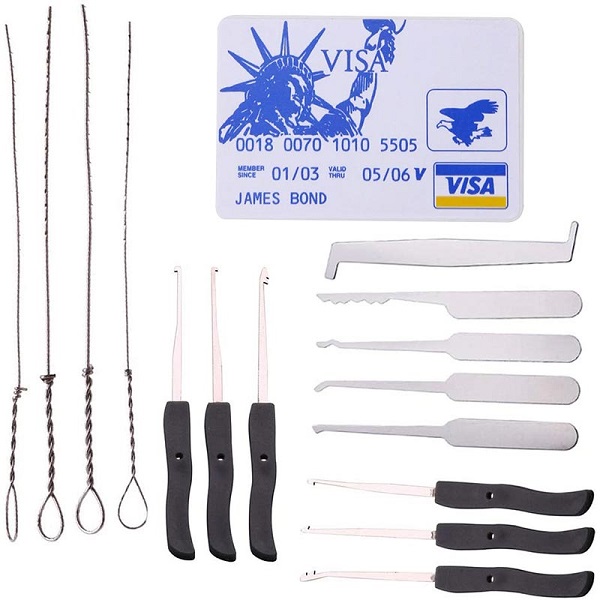
For a comprehensive solution, many opt for a full extraction kit. These kits typically include an assortment of hook tools, several spiral extractors of different diameters, and often a specialized jig or guide to help drill a centered pilot hole. Some advanced kits also contain penetrating oil and tweezers. These kits are versatile for various breakage scenarios and are highly recommended for frequent use or preparedness.
How Do You Assess the Situation to Choose the Correct Tool?
1.Evaluate the Breakage Depth and Access
The first critical assessment is determining how deep the key fragment is lodged. If any part of the key is visible and accessible outside the lock, simple manual hook extractors are the best and least invasive first attempt. If the key is broken off completely flush with or below the lock face, you will likely need to use spiral extractors, which require creating an insertion point.
2.Identify the Lock and Key Type
The type of lock informs your approach. Standard pin tumbler locks (common in house doors) offer more room for tools. However, smaller locks like those on padlocks or car doors require finer, more precise tools to navigate the tighter cylinder. The key's material also matters; a soft brass key is easier for a spiral extractor to grip than a hardened steel key.
3.Prioritize Non-Damaging Methods
Always start with the least invasive method. Your assessment should follow a gradual escalation: first try lubrication and manual hooks, then progress to spiral extractors only if necessary. The goal is to remove the key without damaging the delicate pins and springs inside the lock, which could lead to a costlier lock replacement. Choosing the correct tool size is paramount to avoid widening the keyway.
What is the Step-by-Step Process for Safe and Effective Key Extraction?
1.Preparation and Initial Attempt
Begin by applying a small amount of graphite or dry lubricant spray into the keyway to reduce friction. Do not use oil, as it can attract dirt and gum up the lock. If the key is protruding, try using fine needle-nose pliers or tweezers for a firm, straight pull. If that fails, select the smallest hook extractor that can fit, gently slide it in alongside the key, hook the edge, and pull steadily.
2.Using a Spiral Extractor for Flush Breaks
For a key broken inside, you must first create a pilot hole. Use a very small left-handed drill bit (often included in kits) and drill slowly and precisely into the center of the key fragment. The left-handed direction helps unscrew the key as you drill. Stop once the hole is deep enough. Then, select a spiral extractor slightly larger than the hole, insert it, and turn it counterclockwise with gentle pressure until it grips firmly, then continue turning to withdraw the fragment.
3.Post-Removal Lock Care
Once the broken piece is out, carefully inspect it and the keyway for any remaining metal shavings. Use compressed air to blow out any debris. Before using a new key, test the lock mechanism with the broken key's other half or a spare to ensure it turns smoothly. If the lock feels gritty or binds, the extraction process may have disturbed the internal components, indicating a need for professional service.
Successfully removing a broken key restores security and function. While it might be tempting to look for a Cheap Broken Key Extractor, investing in a well-made, complete kit from a reputable hardware store ensures you have reliable, durable tools that minimize the risk of causing expensive lock damage. Quality tools provide the precision and strength needed for a successful, one-time fix.