





 Like Us on Facebook to enjoy 5% discount
Car Try-Out Keys Guide: How to Use Car Jiggler Keys Safely and Effectively
2026-02-11 13:51
For automotive locksmiths and security professionals, specialized tools are essential for non-destructive entry. Among these, car try-out keys, or jiggler keys, are fundamental instruments designed to open vehicle locks without the original key. This guide provides a comprehensive overview of their safe and effective use. If you are a professional seeking to expand your toolkit, you may look to Buy Car Try-Out Keys from reputable suppliers to ensure quality and reliability.
What are Car Jiggler Keys and How Do They Work on Automotive Locks?
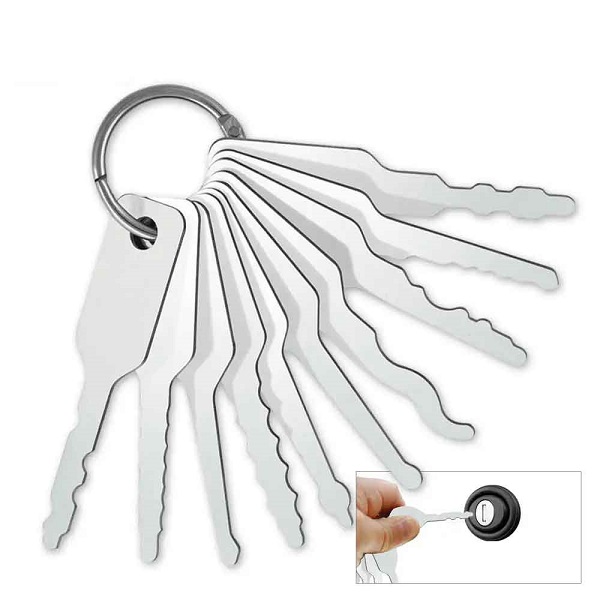
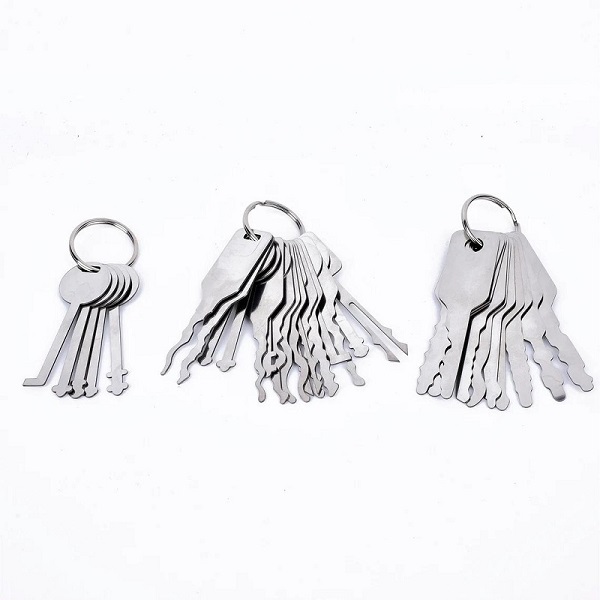
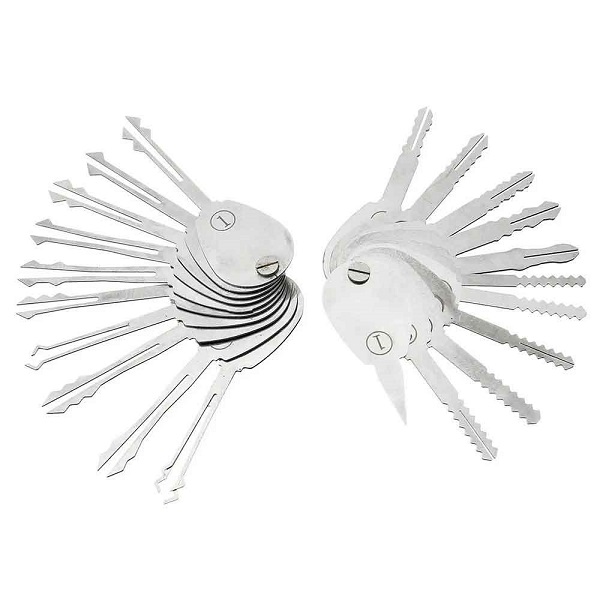
Car jiggler keys are precision-cut metal keys that come in a set of various common keyway patterns. Unlike a standard key cut for a specific lock, they are not meant to align perfectly with pin tumblers. Instead, they are crafted to approximate the cuts of many different keys within a particular automotive brand or lock type. Their primary function is to navigate the keyway and interact with the lock's internal components in a generalized manner.
The operational principle relies on manipulation and slight movement. When inserted into a lock, the user gently "jiggles" or manipulates the tool up and down while applying light rotational pressure. This action allows the key's ridges to push the lock's pin stacks to their shear line incrementally. When all pins align correctly at the shear line simultaneously, the plug can rotate, and the lock opens. This method is a form of impressioning and raking, tailored for automotive lock cylinders, making it a swift alternative to single-pin picking in many emergency or professional scenarios.
How Can You Use Car Jiggler Keys Safely and Effectively Without Damaging Your Lock?
1.Selecting the Correct Key Profile
The first step to effectiveness is choosing the right jiggler blank from your set. Examine the vehicle's lock cylinder to identify the manufacturer and keyway type. Using a jiggler that closely matches the lock's profile is crucial. Forcing an incorrect blank can jam in the keyway or cause unnecessary wear. A proper fit ensures smooth insertion and better contact with the pins, setting the stage for successful manipulation.
2.Applying the Proper Technique and Pressure
Skillful technique is paramount. Insert the chosen jiggler fully into the lock. Apply very gentle rotational tension to the key using a tension wrench or by turning the jiggler itself, depending on the set's design. Simultaneously, use a light, rhythmic jiggling motion, moving the key up and down slowly. The goal is to coax the pins into place, not to force them. Excessive force is the primary cause of lock damage, potentially bending or breaking internal components.
3.Utilizing Lubrication for Smooth Operation
A dry lock can increase friction, making manipulation difficult and risking damage. Before attempting to use a jiggler key, apply a small amount of graphite-based or Teflon dry lock lubricant into the keyway. This reduces friction on the pins and springs, allowing the jiggler to move more freely and the pins to set more easily. Avoid wet lubricants like WD-40, as they can attract dirt and grime over time, eventually gumming up the lock mechanism.
What Safety Tips and Legal Considerations Should You Know Before Using Try-Out Keys?
1.Understanding and Adhering to Legal Boundaries
The possession and use of car jiggler keys are heavily regulated. In virtually all jurisdictions, these tools are considered locksmithing implements and are illegal for the general public to possess without a valid professional license. They should only be used by certified automotive locksmiths, law enforcement, or other authorized personnel in the course of their duties. Using them on a vehicle you do not own or have explicit permission to open is a criminal act, often classified as possession of burglary tools or attempted theft.
2.Prioritizing Authorization and Verification
Safety begins with legal and ethical practice. Always obtain verifiable proof of ownership or authorization before attempting to open any vehicle. A professional should request a driver's license and registration, or a work order from a roadside assistance company. This step protects you legally and ensures you are helping the actual owner, not facilitating a crime. It is a critical component of professional responsibility.
3.Storing Tools Securely and Maintaining Professional Integrity
Professional tools demand professional security. A set of try-out keys must be stored in a secure, locked case and kept in a safe location when not in use. They should never be left unattended in a vehicle. Furthermore, maintaining integrity involves using these tools strictly for their intended professional purposes and staying updated on local laws. This responsible stewardship helps prevent the tools from falling into the wrong hands and upholds the standards of the locksmithing trade.
Mastering car jiggler keys requires practice, patience, and a steadfast commitment to legality and ethics. For professionals, they are invaluable time-saving tools when used correctly. However, it is vital to source them from legitimate trade outlets to guarantee they meet industry standards. Beware of substandard products that promise easy solutions, as opting for Cheap Car Try-Out Keys from dubious sources often leads to tool failure, lock damage, and potential legal complications.