





 Like Us on Facebook to enjoy 5% discount
Comb Lock Pick Set Guide: How to Choose the Right Comb for Different Lock Types
2026-01-14 13:50
Choosing the right comb pick can mean the difference between a quick, successful open and a frustrating dead end. For beginners looking to Buy Comb Lock Pick Set, understanding that not all combs are created equal is the crucial first step. This guide will help you navigate the key differences in comb picks, identify which locks they work on, and select the perfect tool for the job.
What are the Key Physical Differences Between Comb Picks and How Do They Work?
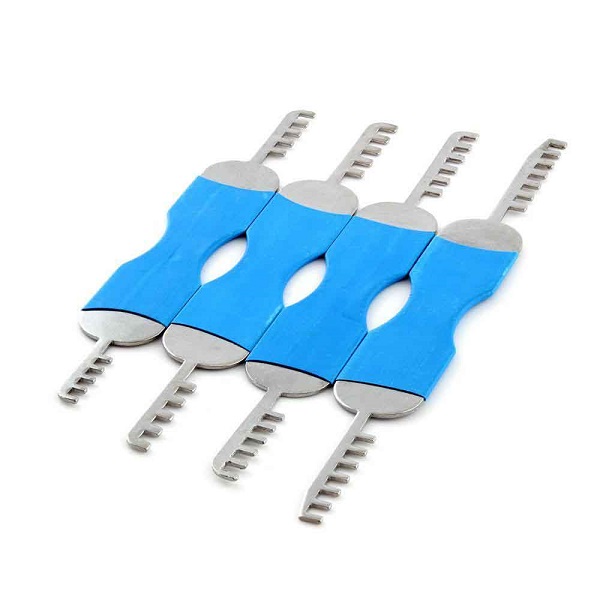
Comb picks, also known as rake bypass tools, are not designed for traditional single-pin picking. Their operation is fundamentally different. Instead of manipulating each pin individually, a comb pick is inserted to the back of the lock cylinder. When lifted, its "teeth" are designed to slip underneath all the bottom pins simultaneously, pushing them up past the shear line. The trick is that the teeth are long enough to also catch and lift the top driver pins above the shear line and hold them there, allowing the plug to rotate freely with a slight tensioning force.
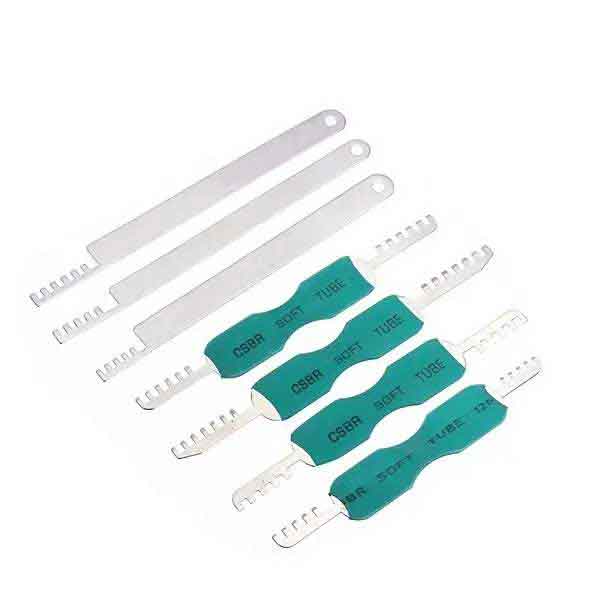
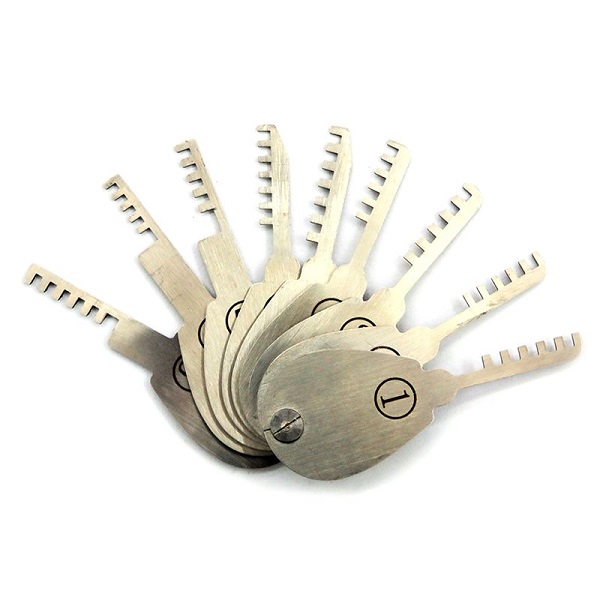
The key physical variables are the number of teeth and their depth. Common configurations include 3, 4, and 5 teeth. A 4-tooth comb is often the most versatile for standard 4-pin or 5-pin wafer locks commonly found in filing cabinets and low-security padlocks. The depth of the teeth must correspond roughly to the distance between the pin chambers in the lock. Using a comb with teeth spaced for a 5-pin lock on a 4-pin lock will result in misalignment and failure. Furthermore, combs are typically made from hardened steel or sometimes titanium for durability, as the process requires applying upward pressure against multiple spring-loaded pins.
How to Identify Common Lock Types and Match Them with the Correct Comb?
The first rule is that comb picks are highly specific. They are primarily effective against wafer locks and certain low-security pin tumbler locks that lack anti-combing features like spool pins or security drivers. To identify a potential candidate, examine the lock. Common wafer locks are often found on older desks, filing cabinets, low-cost padlacks, and some automotive glove boxes. These locks usually have a simpler, slotted keyway compared to more complex paracentric keyways of high-security locks.
Matching the comb to the lock is a process of estimation and trial. Start by visually inspecting the keyway and estimating the number of active pin stacks. If you have a key, count the cuts. For a lock with four visible pin positions, start with a 4-tooth comb. The thickness of the comb must also fit smoothly into the keyway without binding. If the first comb does not work, try one with a different number of teeth or slightly different tooth depth. A set with a variety of combs is therefore invaluable, as it allows you to adapt to different lock configurations you encounter without needing perfect foresight.
What are the Practical Tips for a Successful Comb Pick Attempt?
1.Apply Firm and Consistent Upward Pressure
The core mechanic of comb picking is brute force bypass, not finesse. Once the selected comb is fully inserted to the rear of the plug, you must apply firm, steady, and direct upward pressure on the tool. This pressure is what lifts all the pins and holds them above the shear line. Inconsistent or insufficient pressure will allow the driver pins to drop back down, preventing rotation. Think of pressing the entire pin stack upward and keeping it there.
2.Use Light Rotational Tension
2.Use Light Rotational Tension
While applying strong upward pressure with the comb in your primary hand, use your other hand to apply very light rotational tension to the tension wrench. The goal is not to force the cylinder, but to feel for the moment the plug becomes free to turn. As soon as all pins are lifted and trapped by the comb, the light tension will cause the plug to rotate and the lock will open. Excessive tension will create friction and bind the pins against the comb, making the operation fail.
3.Try a Slight Rocking Motion
If direct upward pressure does not work, a slight rocking or wiggling motion while maintaining upward force can sometimes help. This minor movement can assist the teeth of the comb in sliding perfectly under any misaligned pins and can help overcome slight variations in pin spacing or spring tension. It is not a vigorous raking motion, but a gentle adjustment to ensure all pins are engaged and lifted uniformly by the comb's teeth.
In conclusion, mastering a comb pick set requires understanding its mechanical limits and pairing the right tool with the right lock. Success hinges on selecting the correct tooth count, applying the proper technique of upward force with light rotation, and practicing on appropriate wafer locks. While investing in a comprehensive set is wise for versatility, remember that a functional and effective Cheap Comb Lock Pick Set that offers a few key varieties of combs is often a better starting point than a single, poorly made tool. Prioritize a set that gives you options to learn and adapt.