





 Like Us on Facebook to enjoy 5% discount
Cross Lock Pick Guide: How to Use Try-Out Keys Effectively
2026-01-21 13:54
Navigating the intricate world of lock picking requires the right tools and techniques. For the notoriously tricky cross locks, or cruciform locks, one of the most effective non-destructive methods involves using try-out keys. This guide will explain this systematic approach, a valuable skill for licensed locksmiths and security enthusiasts. Whether you are building your professional toolkit or simply exploring security mechanics, knowing where to Buy Cross Lock Pick sets that include these specialized keys is the first step.
What are Try-Out Keys and How Do They Work?
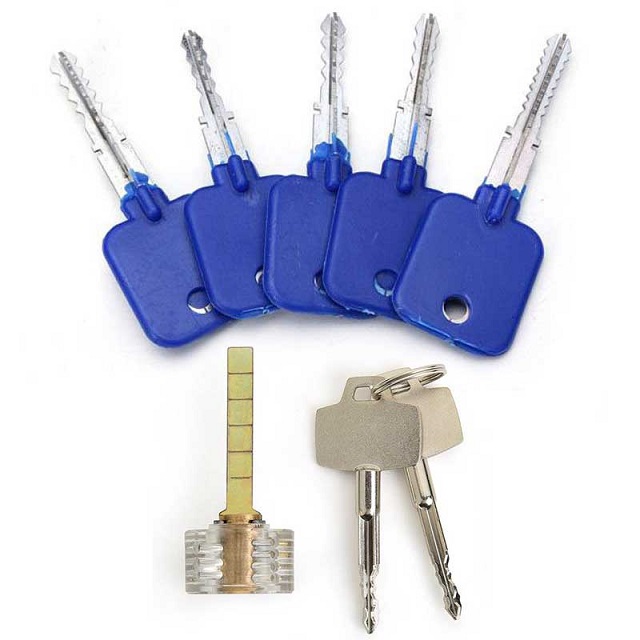
Try-out keys, also known as try keys or decoder keys, are specialized sets designed to mimic the internal configuration of a lock's pin tumblers. Unlike a traditional lock pick that manipulates pins individually, a try-out key is a complete key blank cut to a specific bitting pattern. A set contains dozens of keys, each with a slightly different arrangement of grooves and depths cut into its four sides, corresponding to the four rows of pins inside a cross lock.
The principle of operation is elegantly simple. A standard pin tumbler lock opens when the shear line between the key pins and driver pins is aligned by the correct key. A cross lock complicates this with pins on four axes. Try-out keys work by brute-force testing. You systematically insert each key from the set into the lock, applying gentle turning pressure. When a key with a bitting pattern that closely approximates the lock's internal pin heights is inserted and turned, the pins will align closely enough at the shear line to allow the plug to rotate slightly, identifying the correct or a near-correct combination. This method effectively "asks" the lock which key it is configured to accept.
What is the Step-by-Step Process for Using Try-Out Keys?
Mastering this technique requires a methodical process and a sensitive touch. Rushing will lead to missed feedback and frustration.
Step 1: Preparation and Insertion
Begin by selecting the appropriate try-out key set for the lock brand or type you are working with, as sets are often manufacturer-specific. Insert the first key fully into the keyway. It is crucial to ensure it is seated completely to give an accurate test. Apply very slight rotational tension, just enough to create a binding force on the pins, but not so much that it prevents movement. This tension is typically applied using a tension wrench, though some practitioners use their fingers on the key itself for finer control.
Step 2: Testing and Feedback Assessment
With slight tension applied, gently jiggle or rock the key. Pay acute attention to the feedback. You are feeling for two primary signals. The first is a slight rotational movement, often just a few degrees. This indicates the pins are nearly aligned and the plug is beginning to turn. The second is a feeling of "springiness" or a subtle give in the tension. If the key is completely wrong, it will feel solid and immovable. If it is close, you may feel a slight counter-rotation or a soft stop. Note which key in the sequence provided this feedback.
Step 3: Identification and Refinement
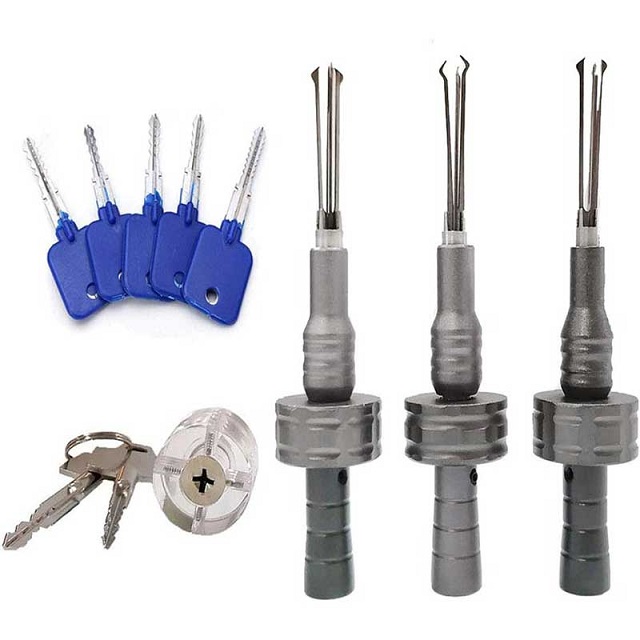
Once a key provides promising feedback, remove it and note its identifying number or code from the set. You may then try adjacent keys in the set with similar bitting to see if they provide an even smoother turn. Often, the correct key will turn the plug smoothly a quarter or half turn, disengaging the lock mechanism. In some cases, the try-out key may not turn the lock fully but will have identified the precise bitting code. This code can then be used to cut a brand new, fully operational key for the lock, which is the ultimate goal of the process.
While mastering try-out keys is a professional skill that demands practice, having access to the proper equipment is fundamental. For students of locksport or aspiring locksmiths seeking to practice this method legally on their own locks, finding a reliable source for a Cheap Cross Lock Pick and try-out key set can be an affordable way to begin this hands-on education. Always remember that these tools and techniques must only be used on locks you own or have explicit permission to manipulate, ensuring your exploration of security remains ethical and lawful.