





 Like Us on Facebook to enjoy 5% discount
Practice Lock Pick Guide: How to Improve Your Technique
2025-12-03 15:51
Improving your lock picking skill goes beyond simple curiosity; it is a precise craft that demands focused practice, the right mindset, and proper tools. Whether you aim to enhance your locksport abilities or deepen your understanding of physical security, consistent refinement of technique is key. Beginners often start by looking to Buy Practice Lock Pick tools, but true progress comes from dedicated and intelligent practice.
What Basic Tools and Setups should You have to Start Practicing Lock Picking?
1.Reliable Set of Picks and Tension Tools
A quality beginner set is the cornerstone of effective practice. At a minimum, you need a few basic picks, such as a standard hook, a half-diamond, and a rake, along with both top-of-the-keyway (TOK) and bottom-of-the-keyway (BOK) tension wrenches. The hook is essential for single-pin picking, allowing precise manipulation of each pin stack, while rakes can help you learn the feel of kinetic energy within a lock. Using different tension tools teaches you how varying pressure affects feedback and core rotation, laying a foundation for advanced techniques.
2.Progression of Practice Locks
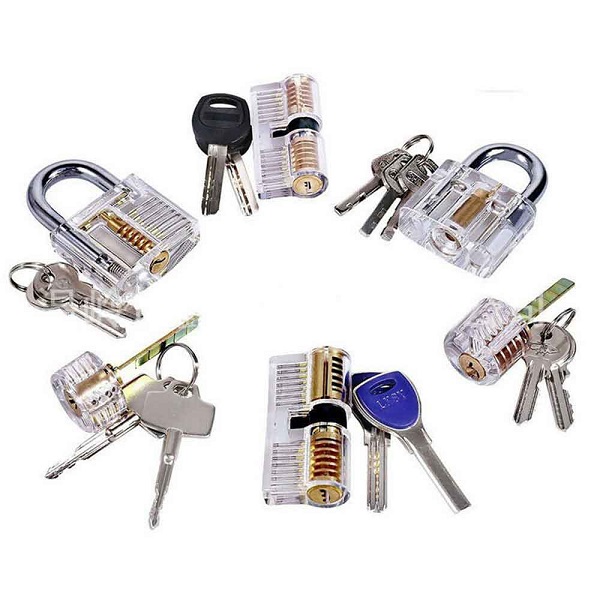
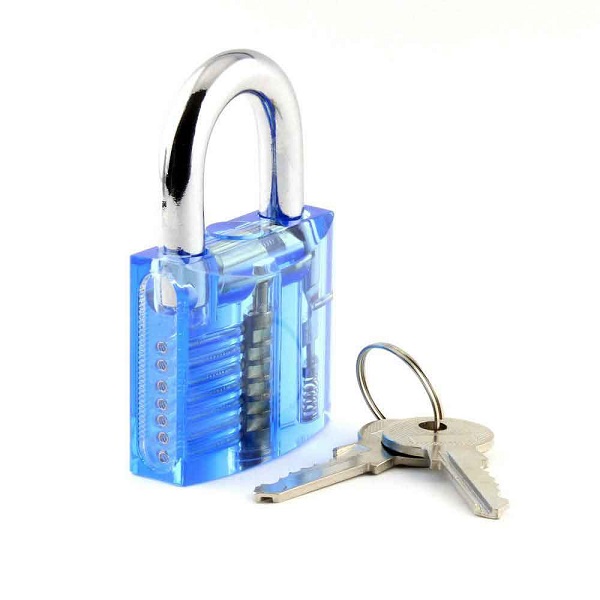
Starting with a simple, clear-cutaway lock is invaluable for visualizing the internal mechanism. Once you understand the basic interaction, move to a set of progressive training locks, typically beginning with a 3-pin lock and advancing step-by-step to a 6-pin lock. This structured approach allows you to incrementally manage complexity. For the most effective training, invest in a re-pinnable practice lock. This versatile tool lets you rearrange security pins, customize difficulty, and repeatedly practice specific scenarios, making it the ultimate training aid for methodical skill development.
3.Comfortable and Organized Workspace
Skill development requires concentration, so a proper workspace is crucial. Ensure you have a stable, well-lit surface to work on. Good lighting reduces eye strain and helps you focus on the subtle tactile feedback from your tools. Organize your picks and locks neatly; clutter can break your focus and slow down your practice sessions. A calm, dedicated environment allows you to fully engage with the sensory details of picking, turning random attempts into deliberate, productive practice that builds genuine muscle memory and diagnostic skill.
How Can You Systematically Challenge Yourself to Progress?
1.Setting Clear and Graduated Milestones
Avoid aimless practice by setting specific, achievable goals. Start with a clear objective, such as consistently opening a 4-pin standard lock within two minutes. Once mastered, increase the difficulty by adding a spool security pin or moving to a 5-pin lock. Documenting your times and success rates for different locks creates a progress log. This measurable approach transforms practice from a hobby into a structured training regimen, providing motivation and clear evidence of your advancing skill.
2.Incorporating Specific Skill Drills
Move beyond just opening locks. Design drills that isolate and strengthen individual aspects of your technique. For example, practice applying perfectly consistent tension without oversetting pins. Another effective drill is "blind picking," where you close your eyes or use a non-cutaway lock to force total reliance on tactile feedback. You can also time your single-pin picking on a familiar lock to improve speed and precision. These targeted exercises build the refined motor control and heightened sensitivity needed to tackle more complex locks with confidence.
3.Engaging with the Community for Feedback and New Challenges
Active participation in the locksport community accelerates learning. Join online forums or local clubs to gain insights from experienced pickers. They can offer crucial feedback on your technique, suggest personalized drills, and recommend the next lock model to conquer. Community members often share challenges, such as themed picking contests or specific difficult locks to master. This external input introduces new goals, exposes you to diverse techniques and tools, and provides a supportive framework that sustains long-term progress and keeps your practice sessions fresh and engaging.
Advancing your lock picking technique is a deliberate journey that blends the right tools with intelligent, structured practice. Start with a solid foundation of quality picks and progressive locks, then build a focused practice routine through clear milestones and targeted drills. Remember that patience and consistency are your most valuable tools. While you can certainly explore options to acquire a Cheap Practice Lock Pick Set to begin, the real investment is in the dedicated time and mindful effort you commit to the craft. Each lock you open is a step toward greater mastery and a deeper appreciation for the mechanics of security.