





 Like Us on Facebook to enjoy 5% discount
Practice Locks Guide: Essential Tips for Practicing with Beginner Cylinder Locks
2026-04-14 14:25
If you're new to lock picking or locksmith training and want to improve your skills, this Practice Locks Guide will help you get started. Beginners often choose to Buy Practice Locks for training because they allow you to learn basic techniques without damaging real locks. These locks help you understand lock internals more easily. Cylinder locks are widely used and rely on spring-loaded pins that must align to open the lock, making them ideal for building lock picking skills. Understanding pins, drivers, and shear lines is crucial before moving on to more advanced locks.
What are Beginner Practice Cylinder Locks?
Beginner practice locks are training tools explicitly made to simulate real pin tumbler mechanisms while giving clear feedback or simplified pin arrangements. These locks typically have:
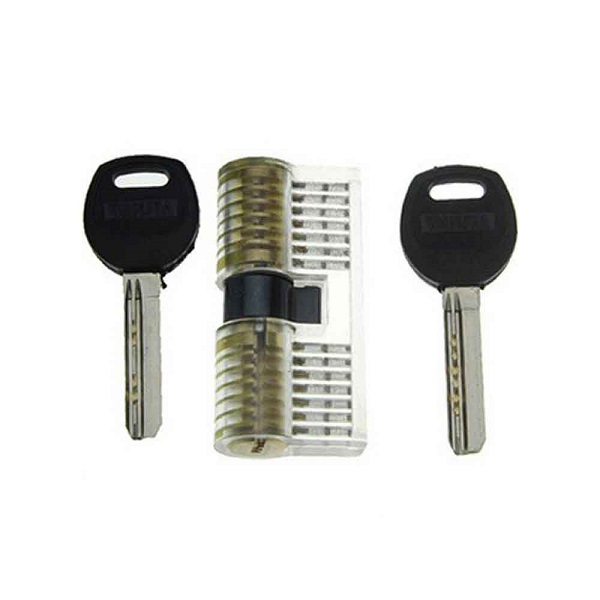
- Clear or cutaway bodies so you can see the pins and drivers during manipulation.
- Easy tolerances without security pins for early stage practice.
- Simple configurations that build confidence and technique before moving to more challenging models.
Common Types of Beginner Practice Locks
To help you choose the right starter tools, here’s a breakdown of popular practice lock options available from reputable training suppliers:
| Practice Lock Type | Key Features | Purpose |
|---|---|---|
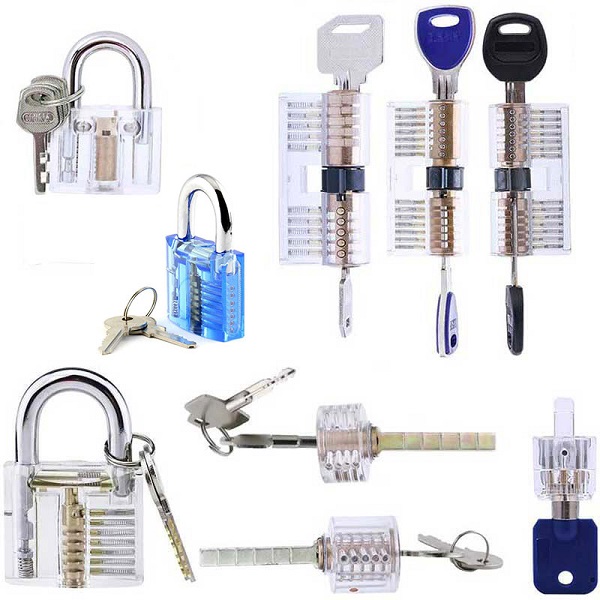
| Clear Beginner Practice Cylinder Lock | Transparent body; pinned differently on each end; allows visual feedback | Ideal first lock for understanding basic pin movement and tension feedback. |
| Beginners Practice Pin Cylinder Lock Easy Tolerances | Opaque body; simple pinning with no security pins | Great for learning feel and single pin picking; good next step after visual locks. |
| 7 Pieces Practice Lock Set | Multiple transparent and solid locks with keys | Offers progression and variety, showing different pin types and keyways. |
| Starter Padlock Set | Multiple padlocks with varying difficulties | Good for working on raking and tension technique across simple locks. |
These training lock types are priced from around $9.99 to $38.99 depending on how comprehensive the set is.
Essential Tips for Practicing With Beginner Cylinder Locks
Whether you’re training as a locksmith or picking locks for sport, here are structured tips to help you make the most of your practice time:
1. Learn Lock Anatomy First
Before trying to pick any lock, take time to understand how the pin tumbler system works inside. Pins, drivers, springs and plug rotation all play a role in successful picking. Resources such as educational sites and transparent practice locks make learning these components easier.
2. Start Simple
Begin with locks that have easy tolerances and no security pins. These will give you immediate feedback and build confidence in tension application and pin setting. Opaque models build tactile skill once you’ve seen how locking mechanisms operate visually.
3. Use Proper Tools and Technique
Good technique begins with the right tools:
- Tension wrench to apply consistent torque
- Hook pick for setting individual pins
- Rake tools for quick learning of general feel
Apply light and steady tension while working your pick; too much torque can mask feedback from the pins.
4. Progress Gradually
Once you can consistently pick a beginner pin lock, graduate to more challenging locks, such as those with more pins, tighter tolerances or added security features. Using sets with increasing complexity helps maintain progress without frustration.
5. Keep a Practice Log
Recording how long it takes to pick a lock, how often you set each pin correctly, and what mistakes occur helps track progress and focus your training sessions. It becomes easier to see improvement over time rather than feeling stuck or uncertain.
6. Train Legally and Ethically
Only practice on locks you own or have permission to work on. Lock picking laws vary by jurisdiction, and responsible use of these skills is essential.
Setting a Practice Routine
To get the most out of your practice locks, set a regular schedule. Begin with short daily sessions of 10 to 20 minutes focused on specific skills like tension control or single pin setting. As skills improve, increase session length or add new challenges like timed picks or diversified lock types.
Lock picking is both a technical skill and a tactile art. Repetition builds muscle memory, while reflection after each session improves decision-making and technique refinement.
Getting comfortable with beginner cylinder practice locks establishes a strong foundation for more advanced lock picking and locksmith skills. By starting with clear and simple models, progressing gradually, and using consistent practice methods, you can develop both confidence and competence in handling more serious hardware. For those seeking budget-friendly options without compromising on training value, Cheap Practice Locks are widely available across reputable training product lines designed for beginners and hobbyists alike.