





 Like Us on Facebook to enjoy 5% discount
Tension Wrench: Definition, Function, and Essential Lock Picking Techniques
2026-06-25 11:02
What is Tension Wrench?
Tension Wrench, also called a torsion wrench or turning tool, is a small metal tool shaped typically like an “L” or “Z.” It is inserted into the keyway of a lock and used to apply slight rotational pressure. This pressure simulates the action of a correct key turning inside the lock cylinder.
- To create torque inside the lock
- To hold the plug in a rotated position
- To allow pins to bind at the shear line
.jpg)
Main Function of a Tension Wrench
The tension wrench serves multiple critical functions in lock picking:
- Applies rotational force: It mimics the turning of a key.
- Creates pin binding: Pins inside the lock bind at different heights.
- Provides tactile feedback: Users can feel when pins set correctly.
- Maintains plug rotation: Keeps the lock in a semi-turned state.
- Enables final unlocking: Once all pins are set, the plug turns fully.
Types of Tension Wrenches
Different locks require different tension tools. Below is a structured comparison based on professional locksmith standards:
| Type | Structure | Best Use Case | Advantages | Limitations |
|---|---|---|---|---|
| Bottom of Keyway (BOK) | L-shaped flat bar | Beginner-friendly lock picking | Easy to use, widely compatible | Takes up keyway space |
| Top of Keyway (TOK) | Thin straight bar | Advanced precision picking | Better control and visibility | Harder to master |
| Double-ended wrench | Two-sided metal tool | Automotive and special locks | Versatile and adaptable | Less precise feedback |
| Twisted tension wrench | Slightly bent steel tool | High-security locks | Strong grip and stability | Limited availability |
How Tension Wrench Works ?
Understanding the working process is essential for mastering lock picking:
- Insert the tension wrench into the keyway
- Apply gentle rotational pressure in the direction the key would turn
- Use a pick to lift individual pins
- Pins set at the shear line due to applied torque
- Continue until all pins align correctly
- Rotate fully and open the lock
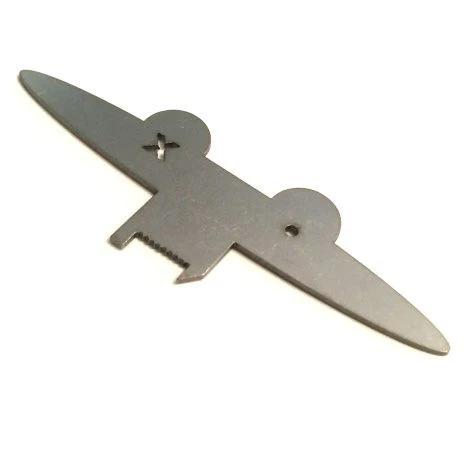
Essential Lock Picking Techniques Using a Tension Wrench
To use a tension wrench effectively, professionals rely on several techniques:
- Light tension method: Uses minimal pressure to avoid binding errors
- Heavy tension method: Used for stubborn or high-security locks
- Feedback method: Adjusts pressure based on pin movement
- Reset control technique: Releases and reapplies tension to correct errors
- Raking support method: Used with rake picks for faster opening
Common Mistakes Beginners Make
Even with quality tools, beginners often struggle with proper usage:
Applying too much torque, causing pins to lock incorrectly
Using inconsistent pressure, leading to loss of feedback
Choosing the wrong wrench size for the keyway
Ignoring tactile feedback from the lock
Rushing the process instead of controlled manipulation
Why Quality Matters When Choosing Tension Wrench?
- Better tactile feedback
- Stronger steel resistance
- More precise control
- Longer durability
- Compatibility with multiple lock types