





 Like Us on Facebook to enjoy 5% discount
Tension Wrench Guide: How to Adjust Tension Based on Feedback
2026-01-30 10:04
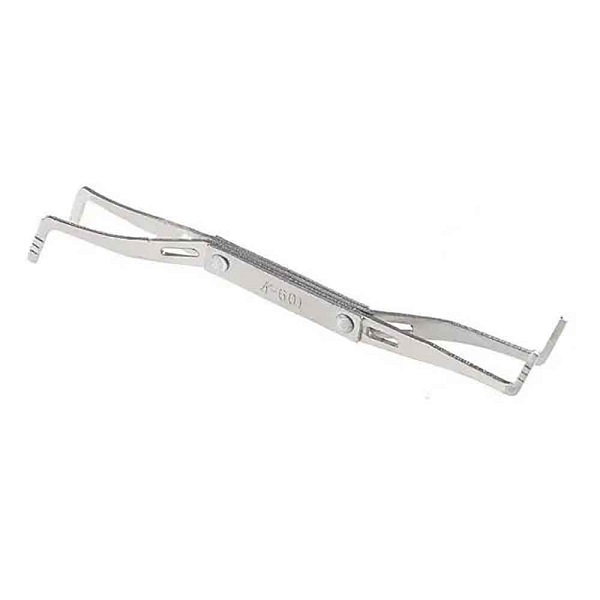
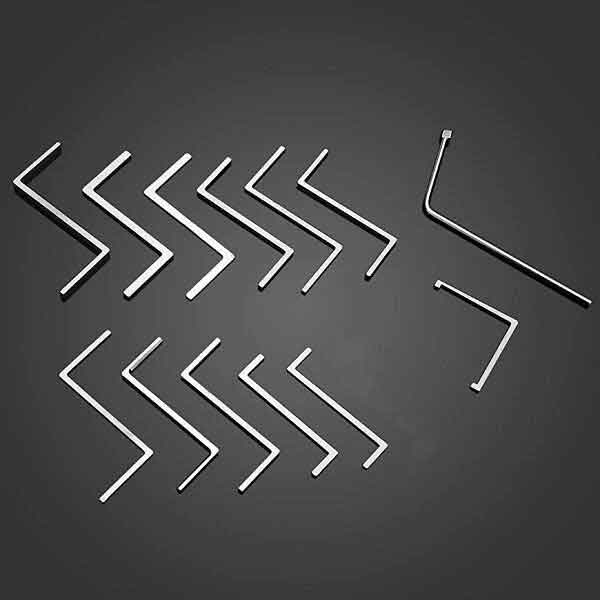
Mastering the tension wrench is the cornerstone of successful lock picking. It is the tool that reads the lock's internal language and applies the crucial force needed to set pins. For beginners embarking on this skill, the first step is often to Buy Tension Wrench a quality set that offers various sizes and profiles. However, owning the tool is only the beginning; learning to interpret and respond to its feedback is the true art.
What Feedback Should You Be Feeling from the Tension Wrench?
1.Visual and Tactile Cues in the Keyway
The most immediate feedback is visual. Watch the plug of the lock. As you apply light tension, you should see it rotate slightly, usually a few degrees, and then stop, binding the first pin. This initial movement is your signal that tension is being applied correctly and the binding process has begun.
2.The Sensation of Binding and Setting Pins
Tactile feedback through the wrench is paramount. You are feeling for two distinct sensations. First is binding, which feels like a slight increase in stiffness or resistance on the wrench as a pin stack is caught between the plug and the shell. Second is the setting motion, often described as a subtle but crisp click or a slight give that transfers through the wrench as a pin sets. This is frequently accompanied by a small, further rotation of the plug.
3.Feedback from Spring Tension and Oversetting
Pay close attention to the springy feeling. Correct, light tension allows you to feel the natural spring feedback of unset pins. A complete loss of all springiness often indicates oversetting, where a pin is pushed too high. Conversely, if everything feels solidly stuck with no movement, you are likely applying too much force, leading to overbinding where multiple pins are jammed.
How Do You Adjust Tension When Feedback Changes?
1.Reducing Pressure for Springy or Jammed Feedback
If you probe pins and everything feels uniformly springy with no binding, or if the plug feels completely jammed and immovable, your tension is too high. The immediate corrective action is to gently release most of the pressure, sometimes even fully, and start again with a significantly lighter touch. High tension crushes subtle feedback.
2.Increasing Pressure Slightly for Subtle or Vague Feedback
When feedback feels excessively vague, mushy, or you cannot locate a clearly binding pin, your tension might be too light to create a sharp binding edge. In this case, apply a very small, incremental increase in pressure. The goal is to find the minimum force required to bind a single pin, not to muscle the lock.
3.Modulating Pressure During the Setting Process
Tension is not a set-and-forget adjustment. As each pin sets, the binding order changes. You may need to slightly vary your pressure throughout the process. Sometimes, a tiny relaxation of tension after a pin sets can help the next binder reveal itself more clearly, preventing oversetting of already-set pins.
What are Common Mistakes When Reacting to Tension Feedback?
1.Applying Excessive Force from Frustration
The most frequent and detrimental error is using brute force. Frustration from lack of immediate success often leads to cranking up the tension. This overbinding locks up the mechanism, eliminates all useful feedback, and can physically damage both the lock and your tools. Patience and finesse are non-negotiable.
.jpg "Applying Excessive Force from Frustration")
2.Misinterpreting Spring Feedback as a Set Pin
Beginners often confuse the smooth, springy travel of an unset pin with the crisp click of a set pin. Pushing a pin that offers only spring resistance will lead to oversetting. Learn to distinguish the clean, breaking sensation of a pin setting from the simple compression of its spring.
3.Failing to Reset Completely After a Mistake
A related mistake is making minor adjustments without fully resetting after feedback is lost. If you overset or overbind, partial releases of tension often leave pins in a disturbed state. The most reliable recovery method is to fully release the wrench, letting all pins fall back to their resting positions, and begin the entire process anew with a fresh, light touch.
Developing sensitivity to your tension wrench's feedback transforms lock picking from random poking to a controlled, analytical skill. It requires dedicated practice on various locks to build muscle memory. While a professional-grade toolkit is ideal for learning, those on a strict budget can explore options for a Cheap Tension Wrench to start their practice, understanding that refining technique ultimately matters more than the tool's price tag.