





 Like Us on Facebook to enjoy 5% discount
Tubular Lock Pick Set Guide: Everything You Need to Know About Mastering the Technique
2025-12-30 11:25
Mastering the unique technique of opening tubular locks requires the right tool and precise knowledge. This guide provides the essential information you need, from understanding the lock's mechanism to executing the correct picking procedure. For those ready to begin, a reliable Buy Tubular Lock Pick Set is the foundational first step towards acquiring this specialized skill.
What is Tubular Lock?
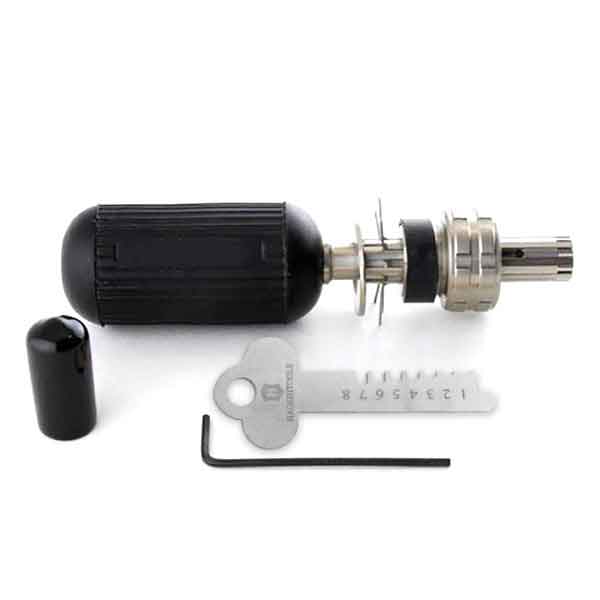
A tubular lock, also known as an Ace or barrel lock, is a distinct type of pin tumbler lock characterized by its cylindrical keyway where the pins are arranged in a circular pattern around the core, unlike the linear pin stack of a standard lock. This design requires a key that is hollow and tubular in shape to fit over a central post and depress all pins simultaneously to the correct shear line. The security advantage of this mechanism lies in its resistance to conventional picking tools like hooks and rakes, as they cannot access the circular pin arrangement effectively. Consequently, opening these locks demands a specialized tool specifically engineered to interact with this 360-degree pin configuration, making the tubular lock pick set an indispensable instrument for the task.
How Do You Properly Use Tubular Lock Pick Set Step-by-Step?
Step 1: Insert and Apply Tension
First, insert the dedicated tension wrench from your set into the central hole of the lock. Apply gentle, steady rotational pressure in the direction the key would turn, which is typically clockwise. This tension is crucial as it creates binding pins, setting the stage for the pick to work.
Step 2: Adjust and Insert the Pick Tip
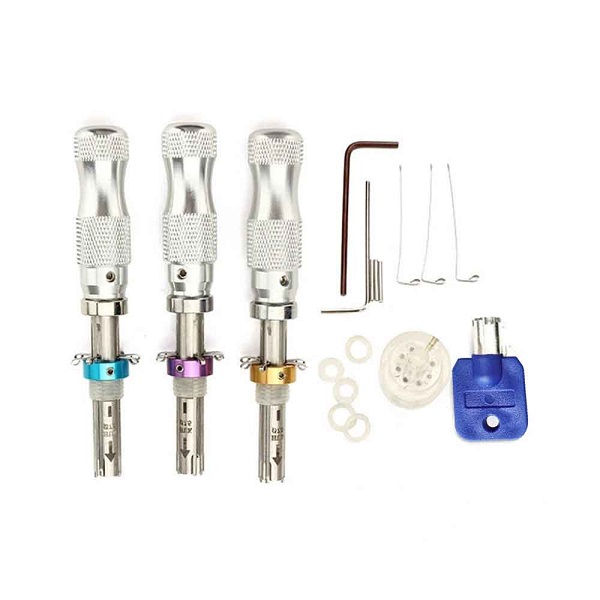
Select the correct picking tip from your set that matches the number of pins in your target lock, commonly 7 or 8. Adjust the depth of the pick's needles if your model allows for fine-tuning. Carefully insert the pick into the keyway over the tension wrench, ensuring it is seated evenly against all pins.
Step 3: Rake and Test for Rotation
With tension maintained, use a gentle in-and-out raking motion while simultaneously applying slight rotational pressure on the pick itself. The goal is to bounce all pins to their shear line at once. Listen and feel for a slight give or a soft click. Once all pins align, the core will turn freely with your initial tension wrench pressure, opening the lock.
What are Common Mistakes to Avoid for Mastery?
Mistake 1: Using Excessive Force
A primary error is applying too much pressure, either with the tension wrench or the pick. Excessive tension will over-set the pins, freezing the core. Heavy-handed raking can damage the delicate pick tips or the lock's internal components. Mastery requires a light, finesse-based touch where subtle feedback is key.
Mistake 2: Incorrect Tool Sizing and Alignment
Using a pick tip designed for an 8-pin lock on a 7-pin lock, or failing to align the pick needles perfectly with the pin chambers, will guarantee failure. The pick must sit flush against the entire pin circle. Always verify the lock's pin count visually if possible and double-check that your pick is centered and straight before applying pressure.
Mistake 3: Impatience and Inconsistent Technique
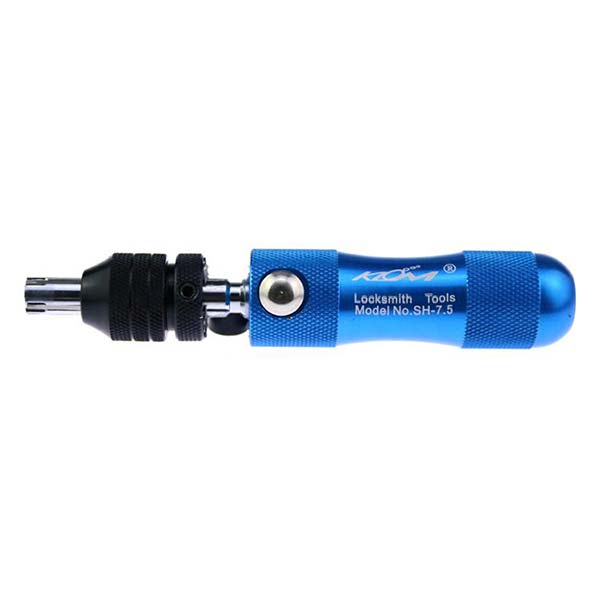
Rushing the process or constantly changing your technique prevents learning. Inconsistent tension, erratic raking, and not methodically testing for rotation after a few rakes are common pitfalls. Proficiency comes from patient, repetitive practice, developing a consistent rhythmic motion, and learning to interpret the tactile feedback from the tool.
Mastering tubular lock picking is a skill built on understanding, precise practice, and patience. While investing in a quality starter kit is advised for durability and learning efficacy, those on a strict budget can explore entry-level options. However, for consistent practice and long-term skill development, finding a reliable Cheap Tubular Lock Pick Set that maintains basic functionality is a practical consideration for many beginners.